A Designer's Honest Review of the Mathematics Teacher Embroidery Design
When a new embroidery file lands in my inbox, I don't just look at the preview. I think about the fabric it will live on, the thread that will trace its path, and the person who will ultimately wear or use it. The Mathematics Teacher PNG design immediately struck me as a piece with a very specific, yet wonderfully warm, purpose. It’s not a generic graphic; it’s a conversation starter.
The First Impression: Clever, Warm, and Perfectly Niche
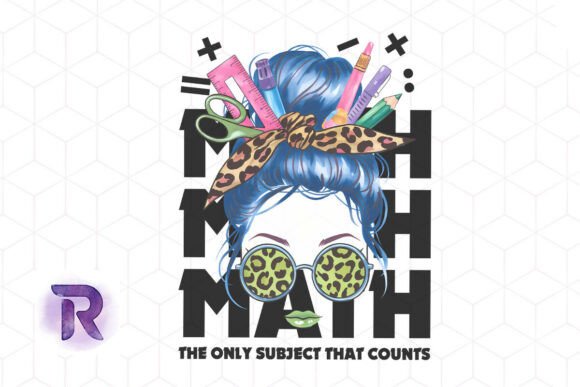
This design has a personality. It isn't just words on a screen; it’s a visual nod to a profession that often gets celebrated in abstract ways. The layout feels balanced, and the theme is clear without being overly literal or childish. It creates a mood of appreciation and cleverness. For embroidery, this is a goldmine. We’re talking about a design that naturally belongs on gifts, personal apparel, and items meant for someone special—the educator.
My first thought was a custom embroidered tote bag for a retiring math teacher. Imagine a sturdy canvas tote with this design stitched neatly on the front. It’s practical, personal, and carries a story. The design doesn’t scream; it speaks. That’s the kind of visual personality that elevates a handmade product from a simple item to a cherished keepsake.
Where This Design Thrives in Real Projects
In my studio, I test concepts against real-life applications. For the Mathematics Teacher PNG, several paths shine brightly.
Sweatshirts and T-Shirts are obvious winners. A left-chest placement on a cozy fleece sweatshirt feels both professional and personal, perfect for the teacher themselves or a proud student. For baby clothes or nursery decor for a teacher’s new little one, it becomes a sweet, subtle family tribute. Tote bags, aprons, and pillow covers transform into fantastic personalized gifts or craft fair products.
As an Etsy seller or small shop owner, this design lends itself beautifully to embroidered patches. A well-made patch with this theme allows customers to customize their own jackets or backpacks, adding value through versatility. It also works seamlessly in digital product previews and printable mockups, helping you market the finished product before you even stitch it.
For holiday gifts or wedding gifts for a teacher couple, stitching this onto a set of kitchen towels or a blanket carries that thoughtful, handmade touch that generic store-bought items lack. The design’s clarity ensures the message is received instantly, boosting the giftability and recognition of your work.
Practical Considerations: Where to Exercise Care
Every design has its ideal canvas and its less-perfect matches. With an embroidery file like this, thinking ahead prevents project headaches.
Be mindful of small hoop sizes. If the design contains very fine details or small lettering, cramming it into a tiny hoop might compromise stitching clarity. Always test a section on scrap fabric first to see how the stitch density and small details translate. Textured fabrics like some towels, or stretchy fabrics like certain t-shirts, require the right stabilizer to keep the design sharp.
Dark fabric backgrounds demand careful thread color contrast planning. A white or light-colored satin stitch fill might pop beautifully, but you need to ensure the overall design doesn’t get lost. Similarly, on curved surfaces like caps, the design’s layout needs to adapt without distortion—check how it looks in a curved mockup.
For products destined for frequent washing, like apparel or tea towels, a robust stitch construction is key. While I can’t speak to the exact stitch count of this file, a well-digitized design with proper fill stitch and running stitch choices will hold up over time. This directly impacts customer trust and the perceived value of your handmade product.
How This Design Elevates Your Craft Business
Using a design with such a clear niche does more than decorate a product; it enhances your brand. For creative entrepreneurs, offering well-executed, theme-specific items like this builds brand consistency. You become known for thoughtful, applicable designs.
When a customer sees this design on a custom apparel item in your shop, they immediately imagine the recipient. That emotional connection drives buyer engagement. It shows you understand your audience—whether they’re fellow crafters looking for a perfect gift or schools looking for commercial embroidery for staff appreciation.
The professionalism of the final finished product hinges on your execution, but the design provides a solid foundation. A clean, recognizable graphic like Mathematics Teacher PNG, stitched with care, turns a simple sweatshirt into a premium small shop product. It justifies a higher price point because the value is clear and specific.
A Designer's Notes Before You Hoop the Fabric
Before I commit any design to a client’s project or my own merchandise, I run a mental checklist. Here’s what I’d do with this one.
- Test on Scrap First: Always. Use both a light and dark scrap to see how it performs.
- Check Color Contrast: Plan your thread palette against the final fabric color. Don’t guess.
- Review for Density: Look at the preview. Are there areas that might be too dense for thin fabrics?
- Confirm Hoop Size: Match the design size to a hoop that gives you room for stability.
- Inspect Small Details: Zoom in. Are there tiny elements that might need thread choice adjustments?
- Use Proper Stabilizer: Match your stabilizer to the fabric type. This is non-negotiable for clarity.
- Consider the End-Use: Is it for a baby item needing soft stitches? Or a robust tote bag needing durability?
- Check Licensing: The description mentions versatility for decor and gifts. Always confirm the specific licensing terms for your use, especially if you plan to sell the finished product or use it in commercial embroidery projects. Never assume.
Whether you’re a hobbyist making a one-off gift or a digital product seller incorporating it into your offerings, these steps save time, materials, and reputation.
The Final Stitch: A Design with Purpose
The Mathematics Teacher PNG isn’t just another graphic in the Crafts category. It’s a design asset with intention. From my perspective as someone who judges designs for real-world stitching, it passes the key test: it makes you imagine the finished item immediately. It has the potential to stitch not just thread into fabric, but meaning into an object.
For apparel decorators, makers, and creative entrepreneurs, that’s the sweet spot. It supports your craft by providing a strong, thematic foundation. Your skill then brings it to life, resulting in a product that feels both handmade and thoughtfully designed. That combination is what turns a simple embroidery project into a product people seek out and remember.