A Designer's Review of Wild About Teaching Teacher PNG
When you’re looking at a digital design file for embroidery, it’s not just about whether it looks good on screen. It’s about how it’s going to translate into thread and fabric. That’s the lens I use when evaluating any embroidery file for real project use. Today, I’m thinking through the Wild About Teaching Teacher PNG from the perspective of someone who needs to make a great finished product.
The First Impression: Whimsy with Professional Polish
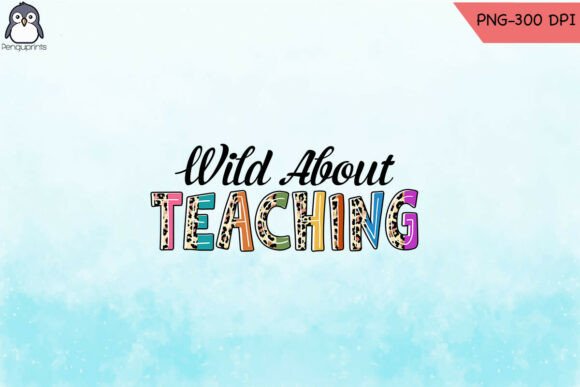
The Wild About Teaching Teacher PNG immediately strikes a balance between playful and polished. The theme is clear and heartfelt, built around a teaching appreciation concept. Visually, it feels like it belongs on a gift item—something meant to convey genuine thanks. The layout isn’t overly cluttered, which is a huge plus for embroidery. Too many tiny elements can become a muddle of stitches. This design seems to have a considered shape and a personality that’s friendly and celebratory.
My first thought is that this isn’t just a graphic; it’s a machine embroidery design with a specific purpose. It naturally belongs on products for educators, as personalized gifts from students or parents, or as inventory for a small shop catering to schools. I pictured it on an apron for a classroom volunteer or a tote bag for a retiring teacher. The mood is warm and recognizably “teacher,” which gives it instant appeal for a niche market.
Where This Design Shines in Real Projects
Let’s talk application. I recently needed to prepare a custom embroidered sweatshirt as a gift for a favorite teacher. This is the exact scenario where a design like Wild About Teaching Teacher PNG gets put to the test. On a medium-weight sweatshirt, the design’s elements need to be clear and not too dense to avoid a stiff, bulky feel.
This graphics file, based on its visual structure, would likely perform well on a variety of substrates. For custom apparel like t-shirts and sweatshirts, the key is stitch density. A design with larger, open areas translates better. For tote bags and aprons, which are often made from canvas or cotton, the embroidery would hold up beautifully, adding significant value to a simple handmade product. On baby clothes or pillow covers for a teacher’s lounge, it would create a charming, personalized touch.
For craft business owners and Etsy sellers, this is a solid design asset. It has a clear use case, which makes marketing straightforward. You could create a whole line of “teacher appreciation” products: embroidered patches for jackets, kitchen towels, or framed hoop art. The visual appeal directly boosts the perceived product value. A customer looking for a teacher gift sees a finished item with this embroidery and immediately understands its purpose—that’s powerful for buyer engagement.
Considering Commercial Embroidery and Small Shop Merchandise
If you’re running a small shop or doing commercial embroidery for local businesses, this design fits into boutique branding for educational supply stores or PTA fundraising items. The professionalism of the final stitch work, assuming the file is well-digitized, lends customer trust in your handmade presentation. It’s the kind of design that turns a simple tea towel into a memorable holiday gift.
Points for Careful Consideration Before Stitching
No design is universally perfect for every application. With any embroidery file, you have to think about the constraints of your project. For the Wild About Teaching Teacher PNG, areas that might require careful handling include any potentially small lettering or very detailed corners. On a curved surface like a cap, the overall shape of the design would need to be evaluated for distortion.
Using this on dark fabric would require a thoughtful thread color choice for contrast. On stretchy fabric or thin fabric like a lightweight polo shirt, proper stabilizer is non-negotiable to preserve the design’s clarity. Also, if the design has dense fill stitch areas, it might be less ideal for items needing frequent washing, like children’s wear, as dense stitching can wear faster.
A very small hoop size could compress the design and lose detail. This is why, as a practical designer, I always advise testing on scrap fabric first. This isn’t just about the machine; it’s about seeing how the thread colors interact with your actual fabric texture.
Practical Designer Notes for Your Next Project
Before you run this design for a client or for your own craft business, here’s my grounded workflow advice.
- Always, always test the design on scrap fabric first. Use the same material and weight as your final project.
- Check thread color contrast by creating simple black and white mockups. How will it look on both light and dark backgrounds?
- Review the implied stitch density from the PNG. Are there large solid blocks? These will be satin or fill stitches and affect the fabric hand.
- Inspect small details in the graphic. Will they translate clearly into stitches, or might they blur?
- Confirm your intended hoop size can accommodate the design without cutting off important elements.
- Use proper stabilizer for your specific fabric. This is the unsung hero of clean embroidery.
- Most importantly, check whether the design works for both personal and commercial projects. The product description mentions bringing DIY projects to life, but you must confirm licensing before selling finished items or incorporating it into your own digital products. Never assume.
The Final Stitch: A Design Built for Meaningful Making
Evaluating the Wild About Teaching Teacher PNG as an embroidery asset, I see a design with strong giftability and recognition. Its visual personality is specific enough to attract a target audience yet versatile enough for various products. For the creative entrepreneur, it’s a ready-to-use element that can elevate a simple embroidered patch or baby embroidery item into something special.
The true test of any digital embroidery file is on the needle side of the machine. This design, with its welcoming theme and seemingly balanced layout, appears poised to stitch out well, creating finished products that feel both handmade and professionally thoughtful. It’s a reminder that good graphics are more than pictures; they’re blueprints for real-world charm.