A Designer’s Review of the Teaching Makes a Difference Embroidery File
When a design file called Teaching Makes a Difference Teacher Life lands in my project folder, my first thought isn't about the files—it’s about the story it will stitch. This isn't just another graphic; it’s a sentiment meant for fabric. Before I even consider hooping up a client’s sweatshirt or my own tote bag sample, I need to feel out its personality. The title alone tells me this is for appreciation, for pride, for a gift that carries weight. The mood is warm, professional, and deeply personal. It feels like it belongs on something that will be worn, displayed, and cherished.
The First Impression: Where This Design Naturally Lives
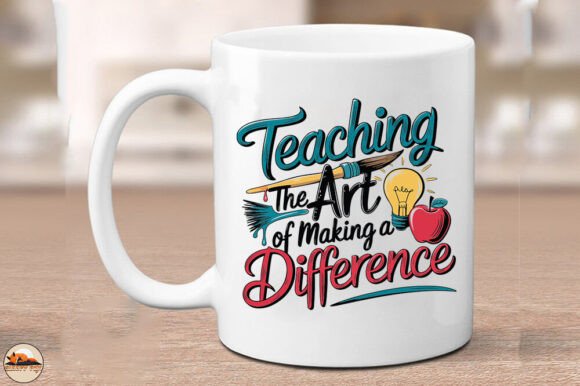
Opening the provided files—the PNG, SVG, PDF, and EPS—the scale and resolution promise good clarity for translating from screen to stitch. The layout isn't overly ornate; it’s a statement piece. This tells me it’s ideal for a central, focal embroidery placement. I immediately picture it on the front of a soft cotton sweatshirt for a retiring educator, or beautifully stitched onto a canvas tote bag for a teacher’s daily commute. It has that blend of formal respect and heartfelt thanks that makes for a standout personalized gift. For a small shop owner, this is a design that can anchor a whole line of teacher appreciation merchandise, from aprons to pillow covers for a cozy classroom-themed nursery decor.
Real-Life Embroidery Scenario: Crafting a Custom Teacher Tote
Let’s walk through a real case. I’m preparing a custom embroidered tote bag as a boutique product for an Etsy shop’s back-to-school season. I choose a sturdy, natural canvas. My concern with any embroidery file is how the details will translate. With this design, the text “Teaching Makes a Difference” is the hero. On a textured fabric like canvas, stitch density and clarity are paramount. I’d test the design on a scrap first, using a stabilizer suited for the bag’s weight, to see how the lettering holds up. Does it become too dense and stiff? Or does it stitch out cleanly, maintaining its dignified tone? The clean file formats suggest it should, but a practical test is non-negotiable.
Performance Across Projects: From Baby Blankets to Boutique Brands
This machine embroidery design has versatility. The sentiment is universal enough for many products, but its execution will vary. On a baby item, like a blanket for a teacher’s new grandchild, I’d consider a smaller hoop size and maybe simplify very tiny decorative accents if they exist, opting for a cleaner stitch like a running stitch for outlines. On a sleek, dark fabric polo for a school logo project, thread color contrast becomes critical—light threads on dark grounds need precise stitch density to pop without gaps.
For commercial embroidery runs, like a series of caps for a school staff event, the design’s complexity matters. If it has intricate corners or very fine lines, it might struggle on a curved cap surface without careful digitizing adjustment. The provided SVG and EPS files are excellent for scaling, but I always advise checking the specific hoop size and machine compatibility for your project—details not listed here, so that’s a step you must take.
Where This Design Requires Careful Handling
Not every project is a perfect fit. On thin or stretchy fabrics, like certain t-shirts, a design with large, solid fill stitch areas could cause puckering if not stabilized correctly. Similarly, on products destined for frequent washing—like kitchen towels or aprons—the embroidery needs to be robust. I’d recommend using quality thread and potentially testing a satin stitch or fill stitch variant for durability. Also, for very small applications, like a tiny patch, the level of detail in the “Teacher Life” portion might need to be simplified to remain legible.
The Impact on Your Product and Your Customer
Using Teaching Makes a Difference Teacher Life isn't just about stitching; it’s about presentation. A well-embroidered version of this design on a hoodie instantly elevates it from a generic garment to a meaningful handmade product. The visual appeal is direct and emotional. It builds customer trust because it feels intentional and professional. For a creative entrepreneur, it adds to brand consistency if you specialize in appreciation-themed goods. Its giftability is high—it’s a recognition of a profession.
From a commercial standpoint, using this as a digital embroidery file for your craft business means you’re offering a product with built-in resonance. In an Etsy listing, a clear mockup (using the high-res PNG) showing this design on a sweatshirt or mug tells a story before the buyer even reads the description. It engages buyers because they can instantly visualize it as a gift for someone important.
Practical Designer Notes Before You Stitch
Here’s my checklist before committing this design to a final project:
- Always run a test on scrap fabric of the same type and weight as your final product.
- Check thread color contrast against your fabric—do a quick black and white mockup to judge light/dark balance.
- Review the stitch density in your embroidery software; adjust if needed for your specific fabric texture.
- Inspect small details, especially in any lettering, to ensure they will stitch cleanly at your intended size.
- Confirm the licensing terms of the design file for your use. Is it for personal and commercial projects? This must be verified before selling finished items.
- Use proper stabilizer. This is the unsung hero of a crisp, professional-looking finished product.
In the world of Crafts and Graphics, a file is just a starting point. Teaching Makes a Difference Teacher Life is a strong starting point with clear, scalable formats and a powerful theme. Its real value is unlocked when you thoughtfully apply it to a real object—a tote bag that carries books, a pillow that offers comfort, a sweatshirt that wears pride. It’s a design that, when stitched with care, truly makes a difference.