A Holiday Design for Teachers, Straight from a Maker's Hands
When I sit down to evaluate a graphic for real embroidery work, I’m not just looking at a picture. I’m looking at a future project. I’m imagining it stitched out on fabric, held by a customer, or hanging in a small shop. The Teacher's Holiday Wishlist Graphic PNG came across my desk with that promise—a design meant for crafting and celebration. My first job is to see if it lives up to that promise on the needle and thread level.
The Immediate Mood: Warm, Recognizable, and Ready for Stitching
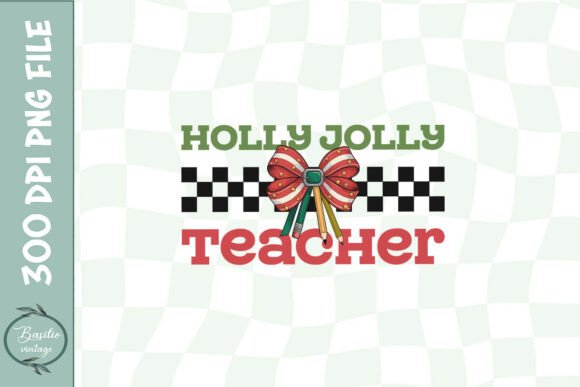
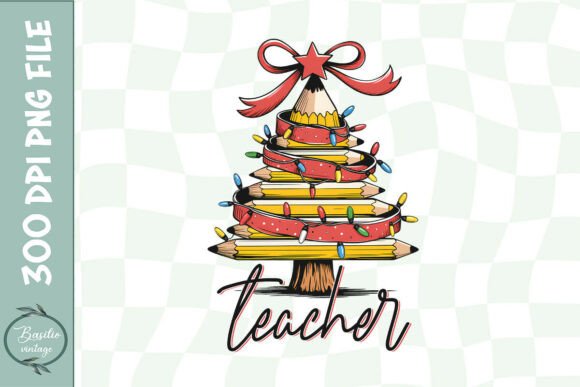
The first impression here is one of friendly warmth. The theme is clear and instantly connects with an audience—teachers and those who appreciate them. The layout feels balanced, not overly crowded, which is a critical starting point for embroidery. A design with too much tiny detail or cramped elements can become a muddled mess when converted to stitches. This one, however, seems to have a visual personality that is open and approachable. It doesn’t scream; it invites. That mood tells me it belongs on items meant as heartfelt gifts or personalized products, not loud, promotional merchandise.
Where This Design Naturally Finds Its Home
Thinking practically, this graphic would feel most at home on custom apparel meant for gifting. An embroidered tote bag for a teacher’s classroom supplies, a cozy sweatshirt for a winter break, or a crisp apron for a classroom helper. The theme lends itself perfectly to holiday embroidery projects. I can easily picture it stitched onto a pillow cover for a teacher’s lounge or a decorative tea towel as a December gift. For small business merchandise, like an Etsy seller specializing in educator gifts, this design could be a core asset for holiday listings. It would also work beautifully as an embroidered patch, applied to a backpack or a denim jacket, offering a tactile, handmade presentation that digital printables alone cannot match.
Performance on Real Fabrics and Products
Now, how does this graphic perform when we move from screen to fabric? A PNG file is a starting point, but the real test is in the stitch-out. For a design like this, intended for a wide array of decor, its success hinges on clarity. The elements need to translate into clean satin stitches for borders or lettering and manageable fill stitches for larger areas without creating overly dense, stiff patches on the fabric.
On a standard cotton tote bag or a mid-weight sweatshirt, I anticipate this would stitch out cleanly, provided the embroidery file is well-digitized. On baby clothes or lighter blankets, you’d need to be mindful of stitch density to keep the fabric soft and flexible. The design’s appeal would shine on custom apparel like t-shirts, but here, fabric texture and stabilizer choice become paramount. A thin, stretchy t-shirt requires a different approach than a sturdy canvas apron.
Spots Where a Designer Should Proceed with Care
This isn’t a design I would automatically run on a curved surface like a cap without first testing. The potential for distortion on a curved seam is high if the design isn’t adapted. Similarly, on very textured fabrics like certain linens or boucle, small details might lose definition. Embroidering on dark fabric requires careful thread color contrast planning—the cheerful palette implied by the graphic needs to be translated into thread choices that pop against navy or black backgrounds.
The most critical note for any maker: test the design on scrap fabric first. Use the same material and weight as your final product. Check those small details. Does any tiny lettering become a series of indistinguishable running stitches? Inspect it in both light and dark fabric mockups to gauge its versatility. This step protects your finished product quality and your customer’s trust.
From Stitches to Value: How This Graphic Elevates a Project
A good design does more than decorate; it adds value. When a customer sees the Teacher's Holiday Wishlist Graphic PNG rendered in precise embroidery on a tote bag, it feels considered and professional. That handmade presentation elevates it from a simple graphic to a tangible, quality item. For a craft business, this translates into better buyer engagement and a stronger perceived value in your Etsy listings or craft fair booth.
For personalized gifts, the embroidered version carries more emotional weight. It speaks of time and care invested. This graphic, given its theme, has high giftability and recognition. It clearly communicates its purpose, which helps a customer immediately understand the product’s intent. That clarity is gold for small shop product descriptions and brand consistency if your shop focuses on educator or holiday themes.
A Few Essential Notes Before You Hoop Your Fabric
Before committing this to a client project or your holiday stock, make a few practical checks. Confirm the hoop size needed. A design too large for your standard hoop limits its application. Review the file itself—if it’s an embroidery file, how is it constructed? Are there areas of extreme density that could damage delicate fabrics? If it’s a PNG intended for conversion, the digitizing process is where you control that.
Always, always check the licensing before selling finished items or using it in commercial embroidery. The product description mentions versatile digital files, but the specifics of personal vs. commercial use are the bedrock of your business legality. Don’t assume; verify.
Finally, think about the entire journey of the item. If you’re embroidering a kitchen towel or a child’s sweatshirt, consider products that need frequent washing. The embroidery must be robust enough to handle that life. A well-executed stitch-out with proper stabilizer and thread will ensure your handmade product lasts, making the customer’s experience—and your reputation—positive.
In the Hands of a Maker, a Graphic Becomes a Story
Evaluating the Teacher's Holiday Wishlist Graphic PNG from the point of view of a working designer isn’t about listing features. It’s about visualizing the path from a digital file to a physical object that carries meaning. This design has the foundational mood and layout that suggests a successful translation. Its natural home is in the world of appreciative gifts and thoughtful, small-batch products. By approaching it with a practical eye—testing, adapting for fabric, and respecting licensing—a maker can transform this graphic into a genuine, stitched story for the holiday season, one that feels as warm and sincere as the sentiment it aims to express.