A Leopard Print Frame for Teachers: An Embroidery Designer's Review
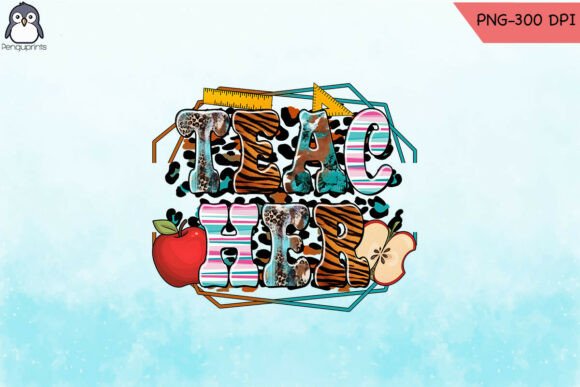
When a digital embroidery file lands in my inbox, my first thought is always practical: what kind of real project could this become? Today, it's the Teacher Leopard Frame Sublimation PNG. The title alone sparks a specific mood—it’s playful, a bit bold, and distinctly celebratory. This isn't a generic, sterile graphic; it's a design with personality. The combination of a classic framing shape with a leopard print pattern suggests a product meant for someone fun, confident, and deserving of a standout gift.
The Immediate Project Vision: From Digital File to Embroidered Reality
My mind jumps to a custom embroidered tote bag for a beloved teacher. The frame's layout, with its clear central space, is perfect for adding a name or a short message. The leopard print detail, while visually interesting, presents the first practical consideration for machine embroidery. Will those textured spots translate well into stitches? For a tote, using a dense fill stitch for the frame itself and perhaps a satin stitch for the inner border could create a lovely, tactile product. The scale feels right for a mid-sized hoop, making it suitable for the center panel of a canvas bag—a popular item for craft fairs and Etsy shops.
Where This Design Finds Its Natural Home
Beyond the tote, this Teacher Leopard Frame design naturally extends to a range of projects. A sweatshirt or a cozy pillow cover for a teacher's lounge would carry the theme beautifully. As a baby item, perhaps a blanket for a teacher's new child, it becomes a personalized gift with a playful twist. For small business owners creating boutique merchandise, this could be the centerpiece on an apron or a tea towel. The "frame" concept inherently elevates whatever is placed inside it, boosting the perceived value of the finished product.
Navigating the Stitching: Practical Performance and Pitfalls
In real-life embroidery situations, success hinges on preparation. For custom apparel like t-shirts, especially on stretchy fabric, a robust stabilizer is non-negotiable to maintain the frame's crisp shape. The decorative corners and any intricate details within the leopard pattern need careful inspection in a test run. I always stitch a sample on scrap fabric first, checking thread color contrast. For this design, a high-contrast palette—like black thread on a light background—would make the frame pop, but reversing it for dark fabrics requires ensuring the stitch density is sufficient to prevent the background fabric from showing through.
Some applications demand extra caution. Embroidering this onto a cap, with its curved surface, could distort the frame's geometry if not hooped expertly. Tiny lettering added inside the frame must be scaled appropriately to remain legible after stitching. For products destined for frequent washing, like kitchen towels or baby clothes, opting for durable threads and securing all stitches is key to longevity and customer trust.
When to Approach with Care
This design's charm lies in its detail, but that detail dictates its careful use. In very small hoop sizes, the leopard print's texture might become muddled, losing its character. On heavily textured fabrics like some blankets, the fine elements could blend in. The lesson here is universal: always test the design on a swatch of your final project fabric. It saves time, thread, and client disappointment.
The Business of Embroidery: Value, Presentation, and Trust
From a commercial perspective, a well-executed Teacher Leopard Frame embroidery affects more than just aesthetics. It enhances handmade presentation, making a personalized gift or small shop product feel cohesive and intentional. For an Etsy seller, using this design across a line—say, on totes, patches, and pillow covers—can create subtle brand consistency. The professionalism of a clean, clear stitch directly impacts buyer engagement; a messy transfer or unclear lettering inside the frame can undermine that.
Its giftability is high. It’s recognizably for a teacher, yet unique enough to stand out from typical floral or apple motifs. This recognition can drive sales at craft fairs or in digital product previews for other embroidery designers. Before selling any finished product, however, the foundational step is confirming the licensing of the digital embroidery file for commercial use. That due diligence is part of a sustainable craft business.
A Designer's Final Notes Before Hooping Up
My review process always ends with a checklist. For this Teacher Leopard Frame PNG, I'd recommend: testing it in both light and dark fabric mockups to plan your thread libraries, reviewing the stitch density in the provided file to gauge machine time and material use, and confirming the hoop size required fits your intended product. Does it work as an applique design, or is it purely stitch-based? That changes material choices.
Finally, consider its versatility. Could this graphics asset be adapted for a wedding gift for a teacher, or for nursery decor? Often, the best digital design assets are those that spark multiple project ideas. This one, with its bold frame and thematic heart, certainly does. Your next step is to load the file, hoop your fabric, and see how that leopard print comes to life under the needle. The real test, as always, is in the making.