Easter Day Teacher Rabbit Ears PNG Embroidery Review
First Impression: A Cheerful, Professional Twist on Spring
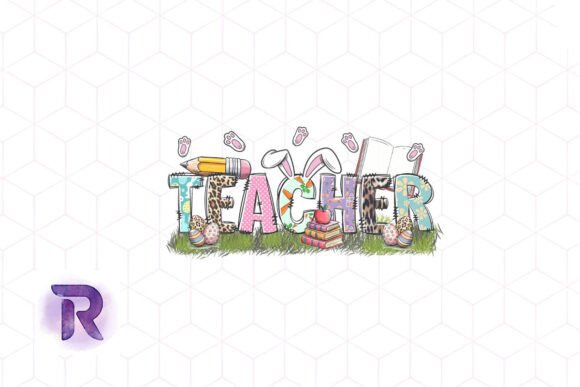
When I first opened the Easter Day Teacher Rabbit Ears PNG file, my immediate thought was that this design strikes a wonderful balance between playful holiday spirit and clean professionalism. The motif isn't just a cartoon bunny; it's a composed, graphic illustration with a teacher's apple and those signature rabbit ears. The layout is simple and bold, which is excellent for embroidery. It creates a mood of respectful celebration—perfect for a gift that acknowledges a teacher's role while embracing the fun of Easter. The detail level feels intentional; it’s not overly cluttered, which means it will translate to stitches clearly without becoming a dense, time-consuming project.
Where This Design Naturally Belongs in Your Project Lineup
This isn't a design I'd automatically throw onto a t-shirt. Instead, I pictured it on a custom tote bag for a teacher's Easter gift, or delicately stitched onto the corner of a high-quality kitchen towel for a boutique home goods line. Its charm would shine on a baby's blanket as a nursery decor piece, or as a standout patch on a denim jacket for a spring-themed craft fair product. For my own small shop, I envisioned it on the breast of a well-made sweatshirt—a subtle, appreciated detail for educators and parents. The graphic quality lends itself beautifully to personalized gifts, like an embroidered pillow cover for a teacher's classroom reading nook.
Visual Appeal and Customer Trust in Finished Products
In real-life embroidery, clean lines are everything. This design, with its clear shapes and defined elements, promises good stitching clarity. That directly impacts product value and customer trust. A handmade item with a crisp, recognizable embroidered design feels professional and intentional. When a customer sees this on a tote or apron, they immediately recognize the theme and the care put into it. That boosts engagement—it’s not a generic holiday graphic; it’s a specific, thoughtful concept. For brand consistency, if your craft business focuses on educator gifts or spring-themed decor, this design becomes a reliable asset.
Performance on Actual Fabric: A Practical Run-through
Thinking through real embroidery situations, I'd confidently run this on medium-weight cotton for tote bags, linen for tea towels, and fleece-backed sweatshirt material. The open, graphic style should handle satin stitches for the apple and rabbit ears beautifully, with fill stitches for larger areas likely remaining smooth. For baby clothes, I’d opt for a softer knit and might simplify the stitch density in my machine settings to keep it gentle. On caps, given the curved surface, the design's central, compact layout should adapt well without distortion at the corners.
Where to Exercise a Bit More Caution
As a designer, I'd advise testing this on scrap fabric first if you plan to use it on particularly textured fabrics like burlap, or on very thin, stretchy fabrics where stabilizer choice is critical. On dark fabric backgrounds, you'll need to review thread color contrast carefully—some of the lighter elements might need a bold pop to maintain clarity. Also, while the design doesn't appear to have tiny, intricate lettering, any small decorative accents should be inspected in a test stitch-out to ensure they don't get lost. For products destined for frequent washing, like kitchen towels, optimizing the stitch density and using quality thread will be key for longevity.
Turning the Design into a Successful Business Asset
For Etsy sellers and digital product sellers, this embroidery file offers great versatility. It can be the centerpiece for a line of spring teacher appreciation items, from embroidered aprons to custom pillow covers. In printable mockups for your shop listings, its clean graphics will present well. For commercial embroidery projects, like a batch of tote bags for a school fundraiser, the design is straightforward and replicable. It enhances handmade presentation because it feels designed, not just downloaded.
Essential Designer Notes Before You Hoop Your Fabric
Always test the design on a scrap of your intended project fabric first. This gives you a chance to check stitch density, see how the details render, and choose your thread colors. Compare how it looks on both light and dark fabric backgrounds in your software's preview; sometimes a minor color adjustment makes all the difference. Use proper stabilizer for your fabric type—this is non-negotiable for professional results. Before selling finished items, confirm the licensing terms of the digital embroidery file for commercial use. And finally, consider your hoop size; the design's scale should suit your product. A large design on a small baby bib might overwhelm it, while a tiny stitch-out on a large tote bag could look insignificant. Find the balance for your specific product.
The Final Stitch: A Design That Adds Value
The Easter Day Teacher Rabbit Ears PNG design, from a practical designer's viewpoint, is a strong candidate for spring projects and educator-focused gifts. It avoids hype by being a usable, clean graphic that embroiderers can trust to stitch out well. Its mood is appropriate for the holiday without being childish, which broadens its appeal. For craft businesses and creative entrepreneurs, it’s an asset that can be adapted across multiple products, enhancing your line's coherence and giftability. By approaching it with these realistic considerations—testing, matching it to the right product, and stitching with care—you’ll turn this digital file into a finished product that customers will recognize, appreciate, and likely come back for.