Evaluating the Halloween Coquette Bow for Real Embroidery
When I see a design labeled “Teacher Halloween Coquette Bow PNG,” my immediate thought goes beyond the digital file. I’m visualizing thread on fabric, the finished product in hand, and ultimately, the smile on a client’s face. As a designer who relies on digital assets for real projects, my review starts with that first impression and walks through how this design would perform in the hands of an embroidery artist.
A Charmingly Playful Mood for October Projects
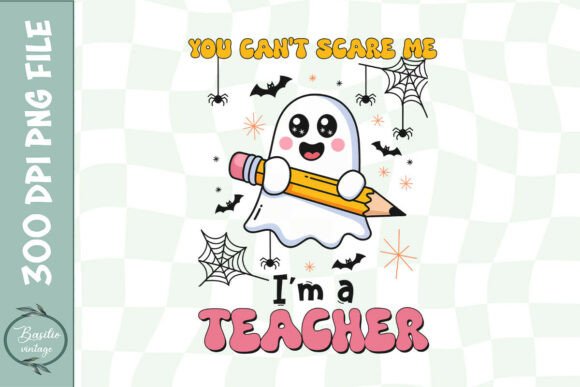
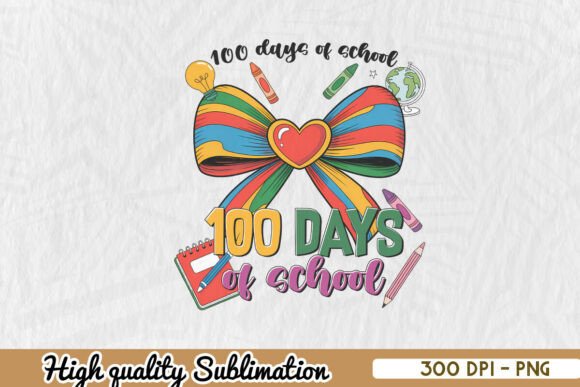
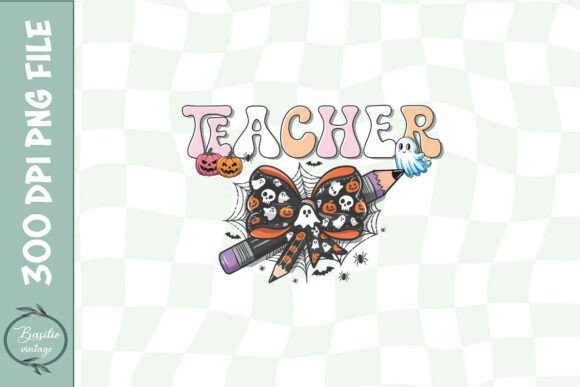
The name itself sets a clear tone. This is not a generic Halloween motif; it’s specifically playful, feminine, and teacher-focused. The “coquette” style suggests a bow with a certain elegance and flirtatious charm, likely detailed and ornate. For a crafter, this immediately opens up a niche. It creates a mood of festive appreciation—a perfect blend of holiday spirit and personal tribute. Visually, I imagine a bow design that’s more intricate than a simple shape, potentially with layered elements or delicate details that give it personality. This kind of design naturally belongs on personalized gifts, celebratory apparel, or boutique merchandise aimed at educators.
The Natural Habitat: Where This Bow Belongs
Let’s picture a real scenario. October is approaching, and an Etsy seller wants to create a limited-run line of teacher appreciation gifts. They’re considering a cozy, high-quality sweatshirt or a sturdy canvas tote bag. The Teacher Halloween Coquette Bow PNG becomes a central design asset. On a sweatshirt, embroidered neatly over the left chest area, it becomes a discreet but delightful statement. On a tote bag, perhaps larger on the front pocket, it transforms a utilitarian item into a themed gift. The design’s appeal here is its specificity—it speaks directly to a teacher during Halloween, making the product feel thoughtful and custom, which increases its perceived value.
This design would also shine on smaller, detail-oriented items. An embroidered patch for a backpack, a subtly decorated apron for a classroom volunteer, or even a personalized pillow cover for a teacher’s home office. The key is matching the design’s inherent personality to a product that celebrates the individual. For baby clothes or nursery decor, it might be less fitting unless adapted, but for adult apparel, holiday kitchen towels, or custom caps, it holds strong potential. Its niche theme builds customer trust; buyers recognize it wasn’t just a random Halloween graphic, but a considered choice.
Considering Commercial Use and Presentation
For small business owners and creative entrepreneurs, using a design like this in commercial embroidery projects requires a practical check. How does it affect brand consistency? If your shop specializes in educator gifts, this design could be a seasonal cornerstone. Its visual clarity after stitching is crucial. A detailed bow needs clean satin stitch outlines and well-defined fill stitch areas to maintain its coquette charm on the finished product. In printable mockups or digital product previews, the PNG file must render sharply to convey the eventual embroidered quality to potential buyers.
Navigating the Practical Stitching Landscape
This is where the designer’s experience truly weighs in. A charming digital file must survive the transition to needle and thread. The Teacher Halloween Coquette Bow PNG, likely with fine details, demands attention in real-life embroidery situations.
First, fabric texture and background matter. On a dark fabric, like a black sweatshirt, the thread color contrast must be planned carefully—bright whites or vibrant oranges to pop. On thin or stretchy fabric, like a t-shirt, the stitch density and proper stabilizer become paramount to prevent puckering and maintain the design’s shape. For textured fabrics like a cable-knit sweater (though less common for this theme), the design might lose definition.
Then, consider the application surface. Embroidering on a curved surface like a cap requires checking how the design’s layout adapts to the curve; symmetrical bows usually handle this well. For products needing frequent washing, like aprons or tea towels, the durability of the stitches is key. Dense stitch areas in the bow’s center could be points of wear, so a balanced density is ideal.
Where to Exercise Caution
Some applications require extra care. If the design includes very tiny lettering (like “Teacher” integrated into the bow), that can be challenging at smaller hoop sizes and may blur into a messy thread blob. Always test such details on scrap fabric first. Similarly, detailed corners on the bow’s ends need crisp turns; a machine embroidery file needs clean paths here. Layered garments, like a hoodie with a front pocket, require planning the placement to avoid stitching over seams.
The design’s success on items like baby clothes depends on scale; a large, dense bow on delicate infant fabric might be too stiff. It’s better suited for the robust fabrics of adult custom apparel or home decor like pillow covers.
Embroidery Designer Notes for a Smooth Project
Before committing this design to a client project or your shop merchandise, run through this practical checklist. These steps separate a successful project from a frustrating one.
- Always test the embroidery file on a scrap of your target fabric first. This reveals how the details translate and if any thread adjustments are needed.
- Check the design in both black and white mockups to judge its form independently of color.
- Compare how it looks imagined on light and dark fabric backgrounds to plan your thread palette.
- Review the overall stitch density by observing the digital file; very solid fills might require adjusting speed or stabilizer for delicate fabrics.
- Confirm the necessary hoop size to accommodate the entire design without compromising detail.
- Inspect small details, like any intricate loops or tails on the bow, to ensure they are distinct enough in the embroidery file.
- Most importantly, confirm the licensing terms of the digital embroidery file. Can it be used for commercial projects, like selling the finished embroidered tote bags or sweatshirts? Never assume.
These precautions directly affect your professionalism, the handmade presentation, and ultimately, buyer engagement. A beautifully executed embroidery design boosts product value and giftability—it looks intentional and expertly made.
The Final Stitch: A Design with Clear Purpose
In the end, the Teacher Halloween Coquette Bow PNG strikes me as a design with a clear and valuable purpose. It’s not a universal graphic; it’s a specialized asset for a specific audience and season. From a designer’s point of view, that’s a strength. It allows crafters and small business owners to create products with high resonance. Its potential pitfalls are typical of any detailed graphic—attention to fabric, scale, and stitch execution is required—but its appeal is straightforward. When stitched well on an appropriate product, it will tell a clear, charming story: a festive, appreciative nod to a teacher, rendered in thread. That’s a project worth doing.