Teacher Assistant Design: A Real Project Review
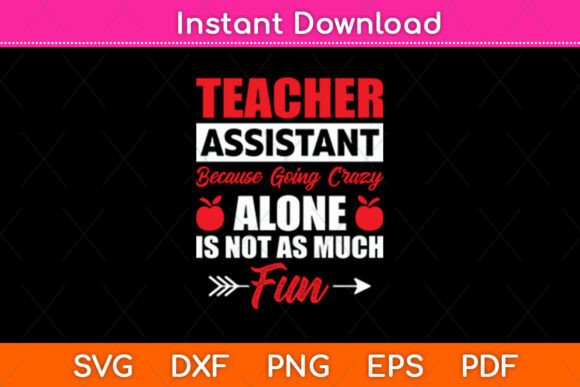
Every time a new file lands in my library, I look at it through the lens of a finished product. This ‘Teacher Assistant Because Going Crazy Alone Is Not As Much Fun’ design is a perfect example of a digital asset that comes alive only when you start thinking about where it’s going to live—on a tote bag, a sweatshirt, a kitchen towel in a busy classroom. It’s not just a graphic; it’s a sentiment waiting for fabric.
First Impression: The Mood and Practicality
The first thing that strikes me about this design is its playful, confessional tone. It’s humorous without being sarcastic, relatable without being generic. For embroidery, that’s a great starting point. The layout suggests it’s built for clarity; the wording is the hero. This isn’t a design overloaded with tiny decorative elements that might vanish under satin stitch. Its visual personality is straightforward, which means as an embroidery file, it’s going to translate cleanly. It feels immediately suited for a relaxed, gift-oriented project rather than a formal corporate logo.
Where This Design Naturally Thrives
In real-life embroidery situations, this design sings on casual, everyday items. Picture it on a soft cotton tote bag for a teacher—a practical, personal gift. Imagine it centered on the back of a cozy sweatshirt, the text becoming a statement piece. It would work wonderfully on a durable apron for a classroom volunteer, or as a framed patch on a denim jacket. For holiday gifts, say a Teacher Appreciation Week present, embroidered onto a high-quality tea towel or pillow cover, it adds that handmade touch that a simple print can’t match. For small business owners, especially those targeting educators or the crafty community, this design on merchandise like caps or simple t-shirts could resonate well. It has that ‘instant recognition’ factor for anyone in the teaching world.
Navigating the Stitch: Practical Considerations
When I consider using this for a client project or for my own craft business items, I think through the embroidery process. The design’s strength likely lies in its lettering. For optimal stitching clarity, you’ll want to ensure good thread color contrast against your fabric. On a light background, a classic navy or black would be crisp. On a dark fabric, like a charcoal sweatshirt, a bright white or a cheerful teal satin stitch would pop.
Stitch density is a key thought. Areas with text, depending on the file’s construction, should be checked. Running stitch for outlines versus fill stitch for solid areas will affect the final feel and durability. Always, always test this design on a piece of scrap fabric first, using the same material and stabilizer you plan for the final product. This tells you how it handles—whether small details remain clear, how it sits on the texture, and if any corners need adjustment.
Spots for Extra Care and Attention
There are places where I’d use this design carefully. On very small hoop sizes, the text might become cramped, losing its impact. On highly textured fabrics like some towels or certain blankets, the clarity of the wording could get lost if the stitch isn’t dense enough. Stretchy fabric, like on some t-shirts, requires the right stabilizer to prevent distortion. Embroidering on curved surfaces, such as a cap, would need careful placement to keep the layout looking intentional.
For products destined for frequent washing—like baby clothes (though this is more an adult sentiment!), aprons, or kitchen linens—you need to ensure the embroidery file is digitized for durability, with secure stitches that will hold up. I’d advise comparing how the design looks in black and white mockups to gauge its visual weight, and always confirm the specific licensing terms before selling finished items commercially. The product description notes it’s an instant download file for cutting machines, so for embroidery, you’d be using a converted or digitized version—double-check the license for that usage.
From Digital File to Finished Product Value
How does ‘Teacher Assistant Because Going Crazy’ affect the final product’s appeal? On a handmade item, it adds a layer of personality and authenticity. For a customer, especially a teacher or someone buying a gift, it feels specific and thoughtful, which builds trust and engagement. For a small shop product or an Etsy listing, it helps create a niche—you’re offering something with a story.
In terms of professionalism and brand consistency for a creative entrepreneur, this kind of design works well if your brand voice is friendly and community-oriented. It’s giftable because it’s both useful and emotionally resonant. As an embroidery project, its success hinges on execution: clean stitching, thoughtful color choices, and pairing it with the right physical product.
Final Designer Notes Before You Hoop It
My practical notes for any embroidery designer, maker, or apparel decorator looking at this graphics file are these:
- Test First: Run it on your scrap fabric. See how the details translate.
- Context is Key: Choose projects where the sentiment fits naturally—personalized gifts, boutique teacher merchandise, casual apparel.
- Background Matters: Check its performance on both light and dark fabric backgrounds; you might need two different color palettes.
- Support It: Use the proper stabilizer for your chosen fabric to maintain stitch clarity.
- Verify the Basics: Since the provided description is for a cutting machine SVG, for embroidery, ensure you have the correct embroidery file format, confirm the effective hoop size for your digitized version, and review any specific stitch counts or areas of density.
- Commercial Use: If selling the finished embroidered products—tote bags, patches, pillow covers—or using it in digital product previews, explicitly confirm the licensing allows for commercial embroidery projects.
Ultimately, ‘Teacher Assistant Because Going Crazy’ is a design with a clear voice. In the right hands, paired with the right fabric and thoughtful embroidery, it moves from a digital graphic to a handmade product that genuinely connects. That’s the real project goal.