The 'Making a Difference' Design: A Designer's Real-World Take
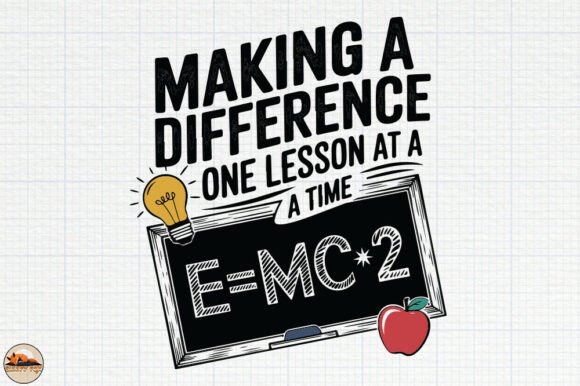
Whenever I evaluate a new embroidery design for practical use, I imagine it already stitched on a finished product, hanging in my shop or being handed to a client. That first visual impression is crucial. With 'Making a Difference Teacher Tee', the mood is immediately clear: it’s appreciative, warm, and quietly confident. The layout is balanced, with the central message framed by supportive, delicate accents. This isn’t a loud, graphic shout; it’s a statement of respect. It feels like it belongs on something meant to be kept and worn with pride, not just a disposable novelty.
Where This Design Finds Its True Home
From a professional standpoint, this design’s personality dictates its best applications. The ‘Making a Difference Teacher Tee’ design naturally gravitates towards projects where sentiment and durability intersect. I picture it beautifully stitched on a high-quality cotton tote bag for a teacher’s everyday use, or as a central motif on a cozy, washed-cotton sweatshirt. It would shine on a crisp apron—a perfect gift for a home-room parent or a culinary arts instructor. For a more delicate presentation, imagine it on a linen pillow cover in a reading nook or a neatly embroidered tea towel in a classroom kitchen. These are items that carry the message into real life, which is exactly what a good embroidery design should do.
The provided file formats—PNG, SVG, PDF, and EPS—tell me this is built for versatility, crucial for any craft business. The PNG at 4500×5400 and 300 dpi is excellent for creating sharp, printable mockups for your Etsy listings or website, allowing customers to visualize the finished product before you even stitch it. The vector files (SVG, EPS) are the backbone for scalable embroidery file creation, ensuring the design can be adapted for different hoop sizes without losing integrity.
Navigating the Stitch: Practical Performance Notes
In real-life embroidery, the devil is in the details. This design has a mix of potential fill stitch areas and finer lines. On a standard cotton tee or polo, it should stitch out cleanly with proper stabilizer. However, this is where a designer’s experience must kick in. On textured fabrics like a thick hoodie or a loosely woven tote bag, those finer decorative accents might need a closer look at stitch density to prevent puckering or losing definition. Similarly, on stretchy fabrics for baby clothes or certain activewear, you’d want to test a sample first to ensure the design holds its shape after movement and washing.
Dark fabric is a classic consideration. The design’s ethos relies on clarity. You must plan your thread color palette strategically to maintain contrast and visual appeal on darker backgrounds—a bright, thoughtful color scheme would be essential here. For curved surfaces like caps, the layout seems adaptable, but I’d always recommend checking the digitized file’s orientation and testing on a scrap cap fabric to see how the elements sit on the curve.
The Craft Business Value: Beyond the Stitches
As a small business owner, you’re not just selling an embroidered item; you’re selling a feeling, a quality product, and trust. The ‘Making a Difference Teacher Tee’ design, when executed well, elevates all three. Its clean, purposeful aesthetic contributes to a professional handmade presentation. It doesn’t look generic or hastily made, which builds customer trust and can enhance your brand’s consistency if you specialize in appreciative or educational-themed products.
Its giftability is high—it’s inherently personalized for a hugely respected profession. For holiday gifts, end-of-year teacher presents, or even wedding gifts for an educator marrying their partner, this design adds recognition and thoughtfulness. That emotional connection directly drives buyer engagement in your listings. When a customer sees a mockup of this on a beautifully photographed product, they’re imagining the recipient’s smile, which is a powerful selling tool.
Critical Designer Checks Before You Hoop
Before committing this to a client’s project or your own shop merchandise, run through these practical steps. They save time, material, and reputation.
- Test on Scrap Fabric First: Use fabric identical to your final product. Check for stitch clarity, especially on any small lettering or intricate corners.
- Evaluate Thread Color Contrast: Create versions for both light and dark fabric backgrounds. Sometimes a slight color adjustment makes the design pop more.
- Review Hoop Size Compatibility: The design’s scale will determine its minimum usable hoop size. Ensure it fits your intended product area without being cramped.
- Inspect Density for Detailed Areas: Look at the stitch count in denser sections. On thin fabrics like certain baby garments, high density might require careful stabilizer choice.
- Confirm Licensing for Your Use: This is paramount. Before selling finished items or using the design in commercial embroidery projects, verify the license terms attached to these graphics files.
- Consider the Full Product Life: If the finished item—like a favorite sweatshirt or apron—will need frequent washing, a robust stitching strategy using quality threads will ensure longevity.
Final Impression: A Design Built for Meaningful Projects
Ultimately, ‘Making a Difference Teacher Tee’ strikes me as a design asset with a clear purpose. It’s not just a graphic; it’s a conduit for a message that resonates deeply. For embroidery designers and creative entrepreneurs, it offers a reliable foundation for creating products that feel special and professional. It fits seamlessly into niches like teacher appreciation, educational gifts, and boutique lifestyle products. By approaching it with a practical, tested mindset—checking its performance on your specific fabrics and for your specific business model—you can transform this digital embroidery file into a finished product that truly makes a difference, both in your craft and for the person who receives it.