A Designer's Look at the "Celebrate 100 Days" Embroidery Design
The First Glance: A Whimsical, Ready-to-Use Celebration
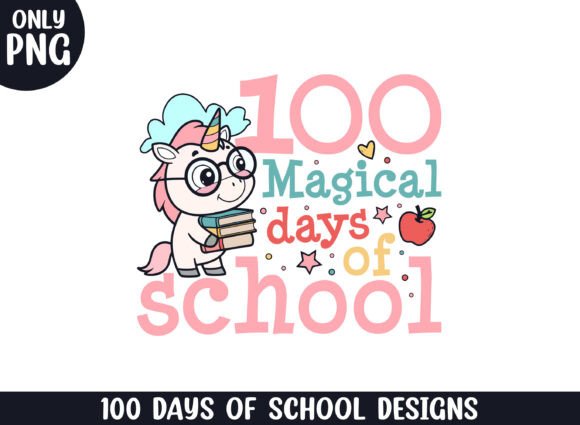
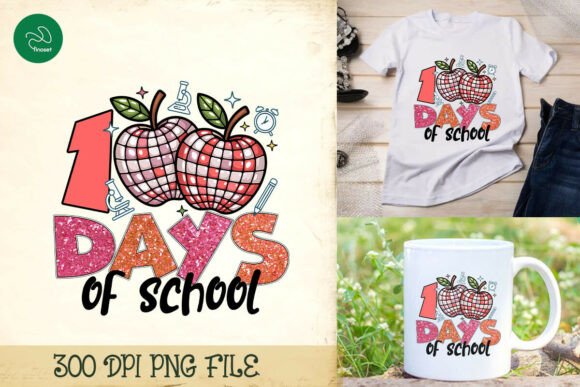
When you first open the Celebrate 100 Days Happy School Fun PNG file, the mood is immediately clear. It’s a playful, lighthearted celebration designed for a very specific milestone. The layout feels balanced and intentionally simple, which, from an embroidery perspective, is a huge plus. There’s a visual personality here that leans into fun without being overly childish—it has that handmade, cheerful vibe that resonates with parents, teachers, and anyone marking that special 100th day. This isn't a complex, multi-layered artwork; it’s a graphic that seems built to translate cleanly into stitches, which tells me it was likely created with actual craft use in mind.
The Perfect Project Fit: Where This Design Naturally Belongs
In my studio, I’m always thinking about where a design will live best. This one calls out for personalized gifts and small shop merchandise. Imagine a custom embroidered tote bag for a teacher who just survived 100 days of school, or a cozy sweatshirt for a proud grandparent. It would shine on a baby’s onesie or a child’s backpack as a commemorative patch. I can easily see it stitched onto a kitchen towel or pillow cover for a boutique nursery decor line. The theme is so niche yet universal for that audience, making it an ideal candidate for Etsy listings and craft fair products where that specific emotional connection drives sales.
Thinking Through a Real Project: A Celebratory Tote Bag
Let’s walk through a real scenario. I’m considering this design for a lined canvas tote bag, a popular item in my shop. My first concern is clarity. The celebratory message and those fun elements need to stitch out crisply to feel professional. On a textured fabric like canvas, stitch density matters. A design with too thin lines or tiny details can get lost. Here, the bold, open shapes of this PNG file look promising—they should allow for solid satin stitches or clean fill stitches that will pop against the fabric, adding real product value and a handmade presentation customers love.
Performance on Real Fabrics & Products
For embroidery, a design’s true test is on the needle and fabric. For custom apparel like t-shirts and sweatshirts, the simplicity of this graphic is an advantage. On stretchy fabric, overly dense designs can pucker or distort; this one appears to have areas that are likely more open, which should help. On a curved surface like a cap, the layout’s central focus would work well, though I’d always advise testing on scrap fabric first to check the stability of any small lettering on such a curve. For baby clothes or blankets, where softness is key, a design that doesn’t require a massive, stiff stitch area is preferable, and this seems to fit.
Where to Exercise a Little Caution
Every design has its considerations. With the Celebrate 100 Days design, I’d pay close attention to its use on dark fabric backgrounds. The inherent cheerfulness of the theme relies on contrast. If the graphic elements are too light or fine, they might not have the intended impact on dark navy or black sweatshirts without careful thread color selection. Similarly, for products needing frequent washing, like aprons or tea towels, a design with extremely dense stitch clusters can wear differently. The advice here is universal: test, test, test. Always run a sample on your intended fabric with your chosen stabilizer. Check how the small details, like any decorative accents or the “100” itself, hold up. This step is non-negotiable for maintaining customer trust and professionalism in your craft business.
Impact on Your Business & Buyer Engagement
From a commercial embroidery perspective, this design affects more than just the stitchout. Its specific theme offers incredible giftability. A customer looking for a 100-day school gift will recognize its purpose instantly, which drives engagement. For a small shop product, it supports brand consistency if your niche is celebratory or educational items. As a digital embroidery file, its clarity in printable mockups is crucial for digital product sellers—a clean, recognizable graphic makes for compelling previews that sell the finished product idea. It feels like a design asset that can be turned into a whole line of merchandise: patches, pillow covers, framed hoop art. That versatility adds real value.
Practical Designer Notes Before You Hoop Up
Before I’d commit this to a client’s project or my own merchandise, my checklist would be:
- Stitch it out on scrap fabric identical to my final product fabric.
- Review the stitch density on my machine to ensure it’s suitable for the fabric texture (light cotton vs. thick towel).
- Check thread color contrast against both light and dark background mockups.
- Confirm the effective hoop size needed—does it fit comfortably in a common size like 4x4 or 5x7 for cost-effective production?
- Inspect any tiny details under magnification to ensure they’ll embroider clearly, not as a blurred mess.
- Most importantly, confirm the licensing terms of the Celebrate 100 Days Happy School Fun PNG file itself before selling any finished items or commercial embroidery projects. The product category is Crafts and Graphics, which often has specific use rules.
This isn’t about skepticism; it’s about confident, realistic preparation. A successful embroidery project hinges on these practical steps, turning a good digital file into a great finished product that feels professional and delights your customer.
Final Impressions: A Confident Choice for a Specific Celebration
The Celebrate 100 Days Happy School Fun PNG strikes me as a thoughtfully straightforward design. It doesn’t try to do everything; it aims to do one thing very well: mark a fun milestone with a visual style that’s easy to work with. For embroidery designers and makers, that’s a valuable quality. It suggests a design that will stitch out reliably, look appealing on a range of personalized gifts and small business merchandise, and connect with a ready audience. With the right practical preparation—testing, stabilizing, and verifying licensing—this graphic can become a trusted part of your repertoire for those special, celebratory orders that make handmade work so rewarding.