Embroidery Designer Review: 100 Magical Days of School Design
First Impressions: The Mood and Practicality
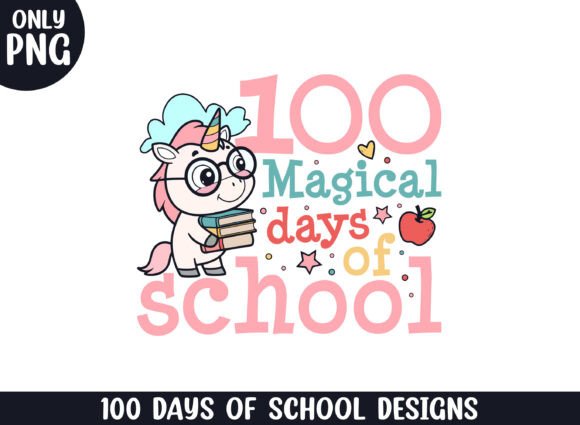
When you first open 100 Magical Days of School Design, the feeling is instantly celebratory and crisp. It's not a simple, generic number; it’s a composed graphic with personality. The layout suggests a designed event marker—something meant to be worn or displayed with pride. The theme is clear, joyful, and perfectly targeted for that specific milestone. From an embroidery perspective, this isn’t just clip art; it feels like a crafted asset ready for transformation into thread.
Where This Design Naturally Belongs
My mind immediately goes to custom apparel for students. A high-quality cotton sweatshirt or a sturdy tote bag for carrying books feels like the perfect canvas. I also picture it on a lightweight baby bodysuit for a sibling celebrating their first 100 days, or as a standout embroidered patch on a backpack. For small shop merchandise, this design could anchor a whole product line around school milestones—think aprons for a teacher’s gift or pillow covers for a child’s room. The visual personality is versatile enough to feel both playful and substantial.
Performance on Real Projects: From Screens to Stitches
The promise of being made with vector shapes and re-sizable is crucial. In a real-life scenario, like preparing a custom embroidered tote bag for a boutique, scalability means I can adapt it without losing integrity. For a large tote front, I can scale it up for bold impact. For a smaller cap or a baby blanket corner, scaling down should maintain clarity, provided the stitch details are managed well.
The Critical Matter of Color Adaptation
The note about easy color change for dark or white backgrounds is a practical gem. This directly affects project planning. On a dark fabric like navy sweatshirts, I’ll likely opt for brighter, contrasting thread colors to make the ‘magical’ theme pop. On white tea towels or mugs in a mockup, a more traditional or vibrant palette might work. This flexibility increases its value as a digital embroidery file for craft businesses that need to cater to diverse customer requests.
However, this versatility requires designer diligence. I always advise: test the design on scrap fabric first. Run a sample on both light and dark scraps with your chosen thread colors. Check the contrast and see how the details, especially any smaller elements, translate. This prevents surprises in final finished products.
Where to Use With Care: Practical Constraints
While 100 Magical Days of School Design is adaptable, certain applications demand extra attention. If the design contains very tiny lettering or intricate corners, executing it on textured fabrics like some sweater knits or on stretchy fabric without proper stabilizer could lead to lost clarity. Similarly, small hoop sizes might force compromises if the design density is high.
Consider the end-use. For items needing frequent washing—like children’s apparel or kitchen towels—a balanced stitch density is key to longevity. Too dense, and the fabric can become stiff; too sparse, and it might not withstand wear. The design’s composition should allow for a satin stitch or fill stitch that’s robust without being overwhelming.
The Curved Surface Challenge
Embroidering on caps is always a specific challenge. The curved surface can distort flat graphics. Before committing this design to a cap for a school sports team, I’d want to see a simulation or test run to ensure the layout doesn’t feel awkward on the curvature. The same goes for layered garments like jacket fronts.
Impact on Customer Perception and Business Value
Using a well-executed version of this design elevates your handmade product. It communicates care and specificity. For a customer, an embroidered sweatshirt with this graphic isn’t just a garment; it’s a commemorative item. That boosts product value, giftability, and customer trust. For Etsy sellers and creative entrepreneurs, offering this as a customization option shows you understand niche celebrations, enhancing brand consistency as a specialist in personalized gifts.
Professionalism in Presentation
In commercial embroidery projects or for digital product sellers offering the file itself, the clean, vector-based foundation suggests professionalism. When creating printable mockups for your shop listings, the design should render clearly, helping with buyer engagement. A potential client looking at a mockup on a pillow cover or apron can immediately envision the finished, stitched product.
Essential Designer Notes Before You Stitch or Sell
Before loading this machine embroidery design for a client’s order, here is my practiced checklist:
- Confirm licensing. The product description doesn’t specify license terms. Always verify whether usage is for personal or commercial projects before selling finished items or the digital file itself.
- Review stitch density and details in your software. Look for any potential trouble spots like overly small elements that might need slight adjustment for your specific machine and thread.
- Check thread color contrast against your actual fabric, not just a screen preview. Create simple black and white mockups to assess form clarity.
- Plan your hoop size and stabilizer strategy based on the fabric type. A tote bag might need a heavier stabilizer than a baby shirt.
- Consider the finished product context. Is it for a holiday gift? A craft fair product? This influences your choice of substrate and thread quality.
A Final, Realistic Take
100 Magical Days of School Design has the foundational qualities I look for: thematic clarity, adaptable color potential, and a scalable structure. It feels like a design asset meant to be used, not just stored. In my workflow, it would be a strong candidate for school-year personalized products and small business merchandise. Its success, however, hinges entirely on the embroiderer’s skill and preparatory steps. Treat it with the same professional rigor as any embroidery project: test, adjust, and choose your materials wisely. When done right, it can stitch a moment of genuine celebration, and that’s the core of what makes a design file truly valuable.