A Groovy Retro Review of the 100 Days School Adventure Design
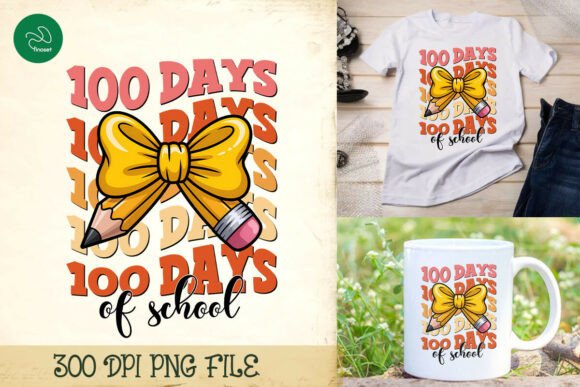
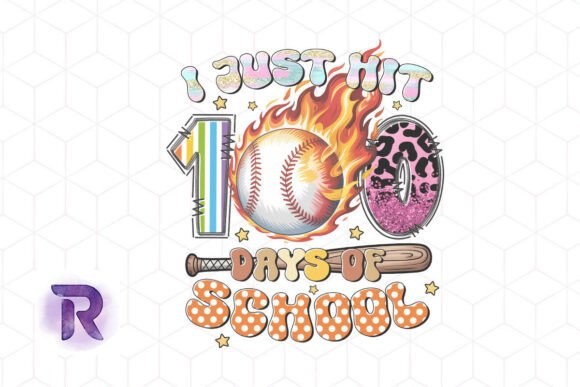
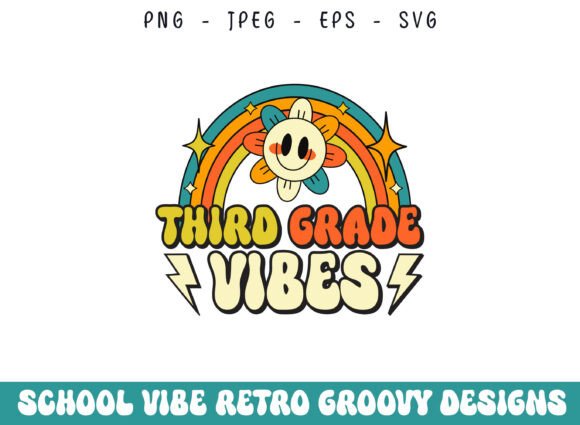
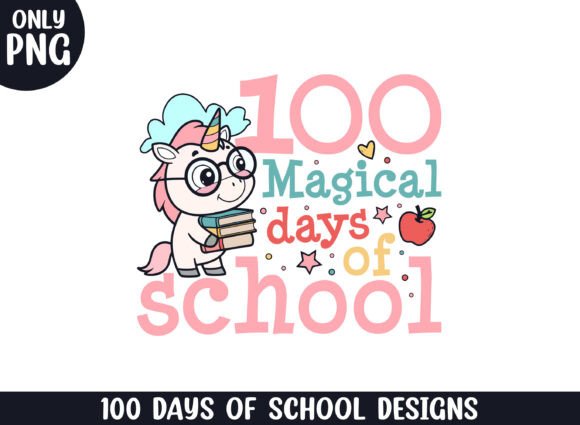
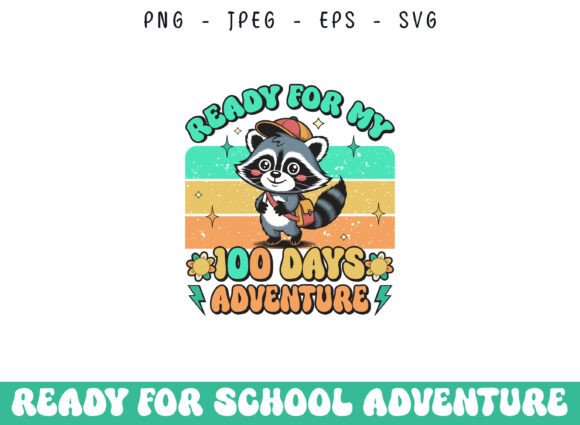
When I first open an embroidery file, I’m looking for that instant vibe—the mood it sets before a single stitch is placed. The “100 Days School Adventure Retro Groovy” design delivers that right away. It’s not just a school theme; it’s a specific, playful nostalgia. The shapes have a loose, cheerful energy that feels hand-drawn, not rigidly digital. This is a design that smiles at you. For embroidery designers and makers, that first impression is crucial because it translates directly to the emotional response of your customer. It promises a fun, personalized product.
The Perfect Project Match: Where This Design Belongs
Let’s talk real use. I’m imagining a scenario: a client requests a custom gift for a teacher celebrating that first 100 days milestone. I immediately think of a sturdy canvas tote bag or a cozy, high-quality sweatshirt. These are the natural habitats for this design. The retro groovy vibe isn’t overly delicate; it has a boldness that demands a statement piece. It would shine on a baby’s romper for a “100 Days” photo shoot, or as a large, central motif on a pillow cover for a nursery. As an Etsy seller, I’d feature it on a mockup of a unisex apron—it feels like a product for a creative, fun-loving parent or educator.
For small business merchandise, this embroidery design could become a signature item for a boutique focusing on educational gifts or nostalgic apparel. Its personality is strong enough to build brand recognition. Think holiday gifts for teachers, personalized keepsakes, or even simple patches that crafters can apply to jackets or backpacks. The “school adventure” theme is universal enough for commercial embroidery projects, but the “retro groovy” execution makes it special.
Stitching It Into Reality: Practical Performance Notes
Now, for the hands-on part. The product description mentions it’s made with vector shapes and allows for easy color changes for dark or white backgrounds. This is a significant advantage. As a reviewer, I always test a design on both light and dark scrap fabric first. On a white tea towel, you could go vibrant with classic 70s colors—oranges, bright blues. On a dark grey sweatshirt, shifting to a palette of creams, muted yellows, and light blues would maintain clarity. The ability to tweak the colors means one embroidery file can serve multiple products in your craft business.
The mention of 100 vector shapes suggests detail, but not necessarily excessive density. For embroidery, this means the design likely uses clean areas of satin stitch for lettering and fill stitch for the larger groovy shapes. On textured fabrics like a blanket or a thick cap, you’ll need to consider stabilizer carefully to keep those details sharp. On curved surfaces like caps, the design’s layout should be checked—if elements are too spread out, they might not fit comfortably in a smaller hoop size. This isn’t a design I’d automatically try on very thin, stretchy fabric; the visual weight of the theme calls for a more substantial base.
Caution Zones: Where to Proceed with Care
Every design has its careful-use cases. For “100 Days School Adventure Retro Groovy,” the smaller decorative accents and any tiny lettering within the “100” or adventure elements are my focus. If you’re planning a mini version on a baby sock or a tiny patch, those details might get lost or become overly dense. Always inspect the small details in your software before hooping.
Another consideration is layered garments or products that need frequent washing, like kitchen towels or kids’ apparel. A design with a lot of stitch coverage, if too dense, can feel stiff and wear differently. Testing on scrap fabric first gives you a feel for the stitch density and how it interacts with the fabric’s flexibility. For dark fabric, the color contrast advice is key—a poor contrast choice on a black t-shirt could make the lovely groovy shapes muddy.
The Value It Adds: From Stitch to Sale
From a business perspective, this machine embroidery design affects more than just the stitch. When embroidered cleanly on a well-chosen product, it elevates the perceived value. A tote bag with this design becomes a themed, handmade product, not a generic one. It tells a story. That increases customer trust and engagement in your handmade shop. For giftability, it’s excellent—it’s personal, celebratory, and visually engaging without being overly formal.
For professionalism, a design that stitches out cleanly and looks intentional on the final product is everything. The retro groovy aesthetic, if executed well with good thread color choices and proper stabilizer, shows care and skill. It supports brand consistency for a seller focusing on nostalgic, cheerful crafts. In a printable mockup for your digital product listing, it should look enticing and clear, promising a high-quality finished product to your fellow makers.
Final Designer Advice: Before You Hoop
My final notes, as if I’m jotting them down before starting a client’s order: First, always test on scrap fabric identical to your final product fabric. Check the thread color contrast, especially if adapting the colors for a dark background. Review the stitch density in your embroidery software—does it look appropriate for your chosen item, like a lightweight t-shirt versus a sturdy apron?
Confirm the required hoop size by previewing the design dimensions. Can it fit on your target item, like the front of a cap or a small baby bib? I’d also test it in a simple black and white mockup to see how the shapes read without color, a good check for basic clarity.
Lastly, and this is critical for commercial use: check the licensing terms of this graphics product. The product category is Crafts and the type is Graphics, but you must confirm whether this embroidery file is licensed for personal use only, or if you can sell the finished embroidered items and digital products derived from it. Never assume. Protecting your craft business starts with respecting digital asset licenses.
The “100 Days School Adventure Retro Groovy” design has the personality and adaptability to be a star in many embroidery projects. With practical testing and thoughtful application, it can turn a simple sweatshirt, tote, or gift into a conversation piece that perfectly captures a moment of joyful adventure.