Monster Trucked 100 Days School Days: A Designer’s Review
When a new embroidery file lands on my screen, I don’t just look at the preview. I think about how it will stitch out, what project it’s begging for, and how a finished product will feel in a client’s hands. That’s the lens I’m applying to Monster Trucked 100 Days School Days. This isn’t just a graphic; it’s a potential handmade product.
The Immediate Personality: Bold, Fun, and Ready to Stitch
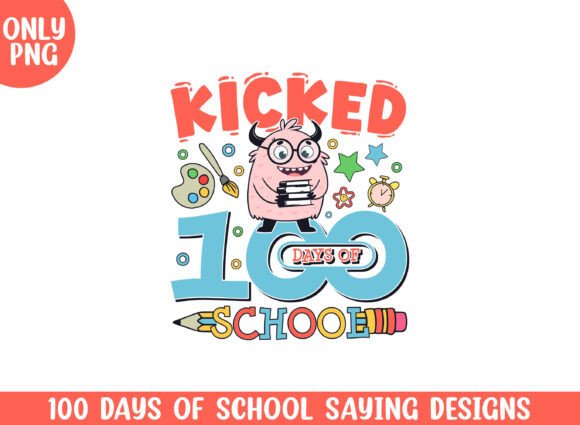
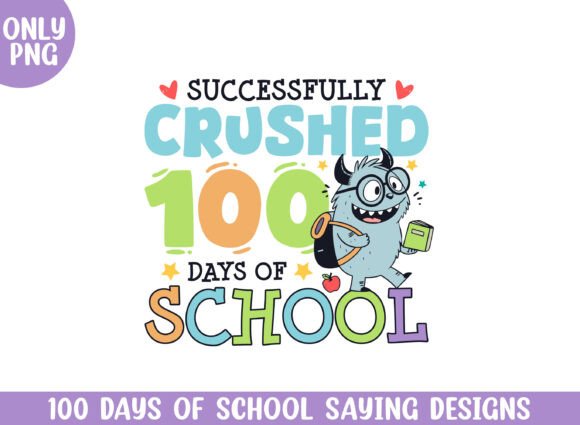
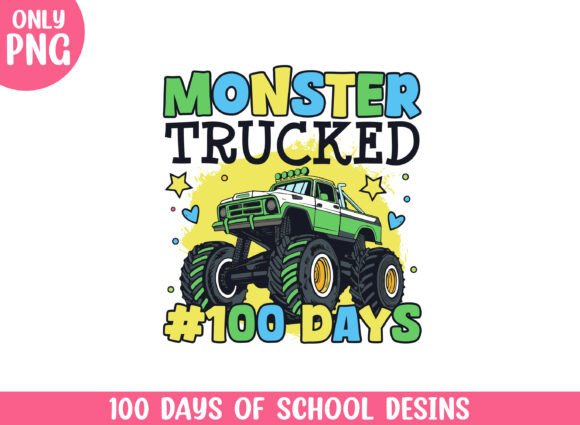
Your first impression is key. This design immediately communicates a playful, celebratory mood. The “crushing 100 days” theme isn’t subtle—it’s confident and energetic. The layout, with its central monster truck motif, has a solid, grounded feel. The detail level from the vector shapes suggests good clarity for stitching, without being overly fussy. It feels like it belongs on something sturdy: a child’s sweatshirt, a canvas tote bag for a teacher, or a bold patch. It has a visual personality that’s more “school spirit” than “quiet achievement,” which is perfect for its purpose.
Where This Design Naturally Thrives
In my workshop, I picture this design coming alive on specific items. A custom embroidered sweatshirt for a first grader is a classic winner. The bold shapes would stand up well on the fabric. I also see it on a sturdy tote bag—a practical gift for a parent marking the milestone. For a small shop product, perhaps an embroidered pillow cover for a child’s room or a kitchen towel in a teacher’s home. It has that giftable, recognizable quality that works well for holiday gifts or personalized products around the school year. For commercial embroidery projects, like small business merchandise for a local school event, it offers a ready-made, professional-looking asset.
Practical Performance on Real Projects
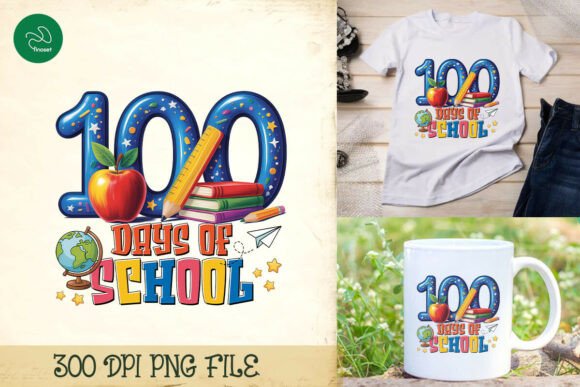
How does Monster Trucked 100 Days School Days translate from screen to stitch? The description notes it’s made from vector shapes and re-sizable, which is a good starting point for flexibility. On a dark t-shirt, the potential for easy color change is crucial—you’d want to ensure your thread choices create strong contrast. On a white background, it would pop vividly. For something like a mug in a printable mockup, the clean shapes would lend themselves well to a crisp digital product preview.
For apparel decorators, consider the fabric. On a standard cotton tee, it should stitch cleanly. On a textured fabric like a fleece blanket or a knit hat, you’d need to be mindful of stitch density and use a proper stabilizer to keep those defined shapes sharp. The design’s bold nature means it could handle a moderately sized hoop well, making it suitable for a range of embroidery machines.
Scenarios That Demand a Careful Approach
Not every project is ideal. My practical judgment flags a few areas. Small hoop sizes might compromise the celebratory scale; it wants to be a statement. Very stretchy fabric, like some baby clothes, could distort the larger solid areas if not stabilized perfectly. The tiny lettering within the design, if present, needs scrutiny in a test stitch—those details can get lost or become fuzzy. On curved surfaces like caps, the overall layout’s balance would need checking in a preview. And for products destined for frequent washing, like a child’s daily wear jacket, you’d want to ensure the stitch structure is dense enough to hold up.
The Impact on Your Craft Business and Client Trust
Using a design like this affects more than just the stitch. For crafters and Etsy sellers, the finished product’s visual appeal is straightforward and engaging, which builds customer trust. It looks intentional and well-made. For a handmade presentation, it offers a clear, fun theme that communicates value easily—parents or teachers immediately understand the product. It aids in brand consistency for a shop specializing in school or children’s items. Its giftability is high, and that drives buyer engagement in listings. As a digital embroidery file, it’s a solid design asset for creative entrepreneurs to build upon.
A Designer’s Essential Pre-Stitch Checklist
Before I ever load this into my machine for a real client project, here’s my process. I always test on scrap fabric first, matching the final project’s texture. I check thread color contrast meticulously, especially given the note about dark or white backgrounds. I review the stitch density in the file preview to gauge if it’s suitable for my target fabric. I confirm the hoop size I plan to use by examining the design’s dimensions. I inspect any small details in the test stitch. I also test it in simple black and white mockups to see its form without color. Comparing how it looks on light and dark fabric backgrounds in the software is a must. Using proper stabilizer is non-negotiable for clean results. Finally, I check the licensing terms explicitly to confirm whether the design works for both personal projects and commercial embroidery projects before selling any finished items.
Final Thoughts: A Design Ready for the Hoop
Monster Trucked 100 Days School Days strikes me as a design with a clear, confident purpose. It’s not a delicate floral pattern; it’s a bold celebration. For embroidery designers and makers, it provides a strong foundation for a range of products—from custom apparel to boutique merchandise. Its success hinges on that practical pre-work: testing, adjusting, and choosing the right project for its personality. When stitched well on a suitable item, it delivers exactly what it promises: a fun, crushing celebration of a school milestone that feels handmade and special. That’s the kind of design that keeps clients coming back and makes a craft business feel authentic.